 (502) 938-9056



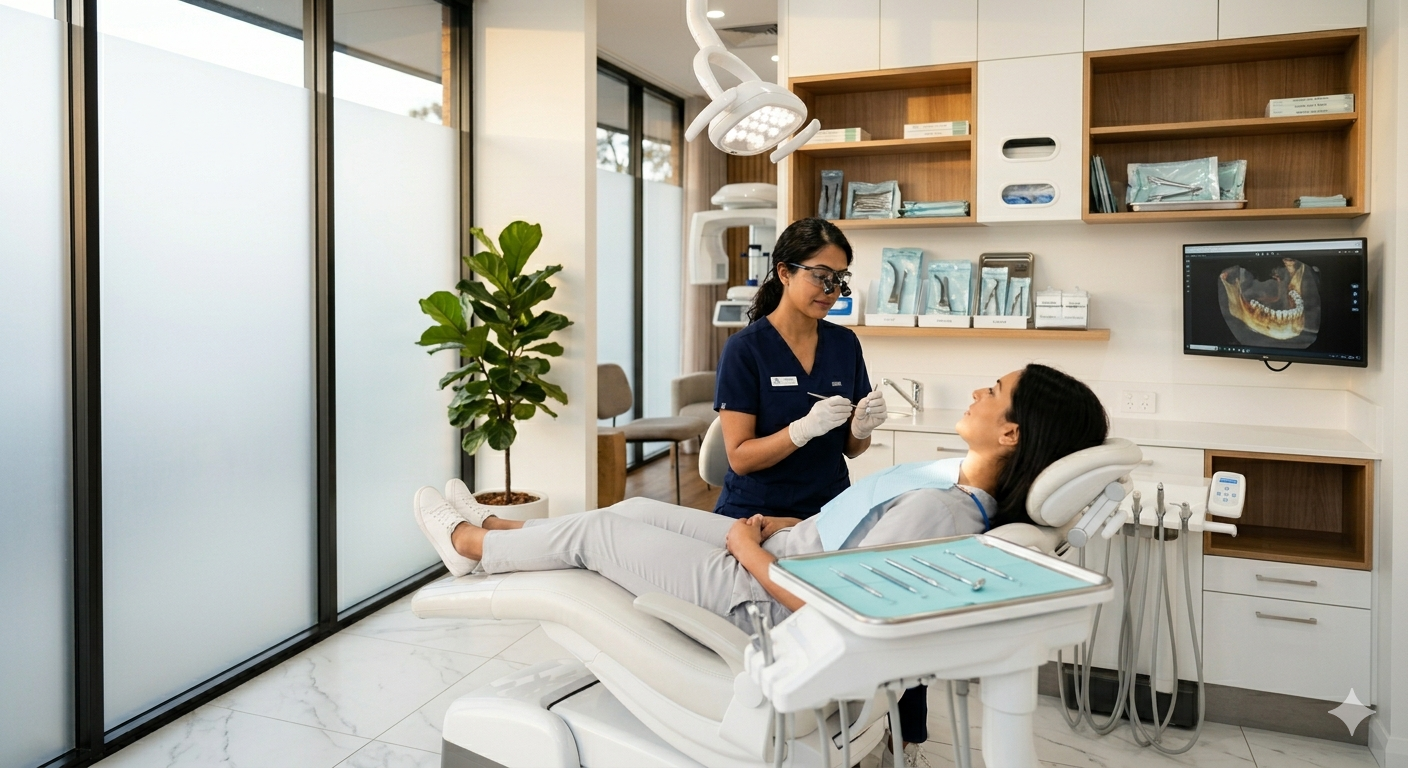
When a dental emergency strikes in Jeffersonville, IN, finding quick and reliable care is essential to ease pain and protect your smile. An emergency dentist in Jeffersonville is available to provide immediate treatment for issues like severe toothaches, broken teeth, or infections, helping patients feel comfortable and safe right away. Knowing where to turn can make all the difference during these stressful moments.
Many local dental offices offer flexible hours and a range of modern treatments designed to handle urgent dental problems efficiently. Patients can expect a calm, welcoming environment where the focus is on prompt relief and personalized care. Whether it’s a chipped tooth from an accident or sudden swelling, emergency dentists are prepared to guide you through the best next steps.
Taking care of your dental emergency quickly not only reduces pain but can prevent more serious problems later. If you ever find yourself facing unexpected dental pain or injury in Jeffersonville, don’t hesitate to reach out—help is nearby, and a friendly expert is ready to assist.
Recognizing Dental Emergencies
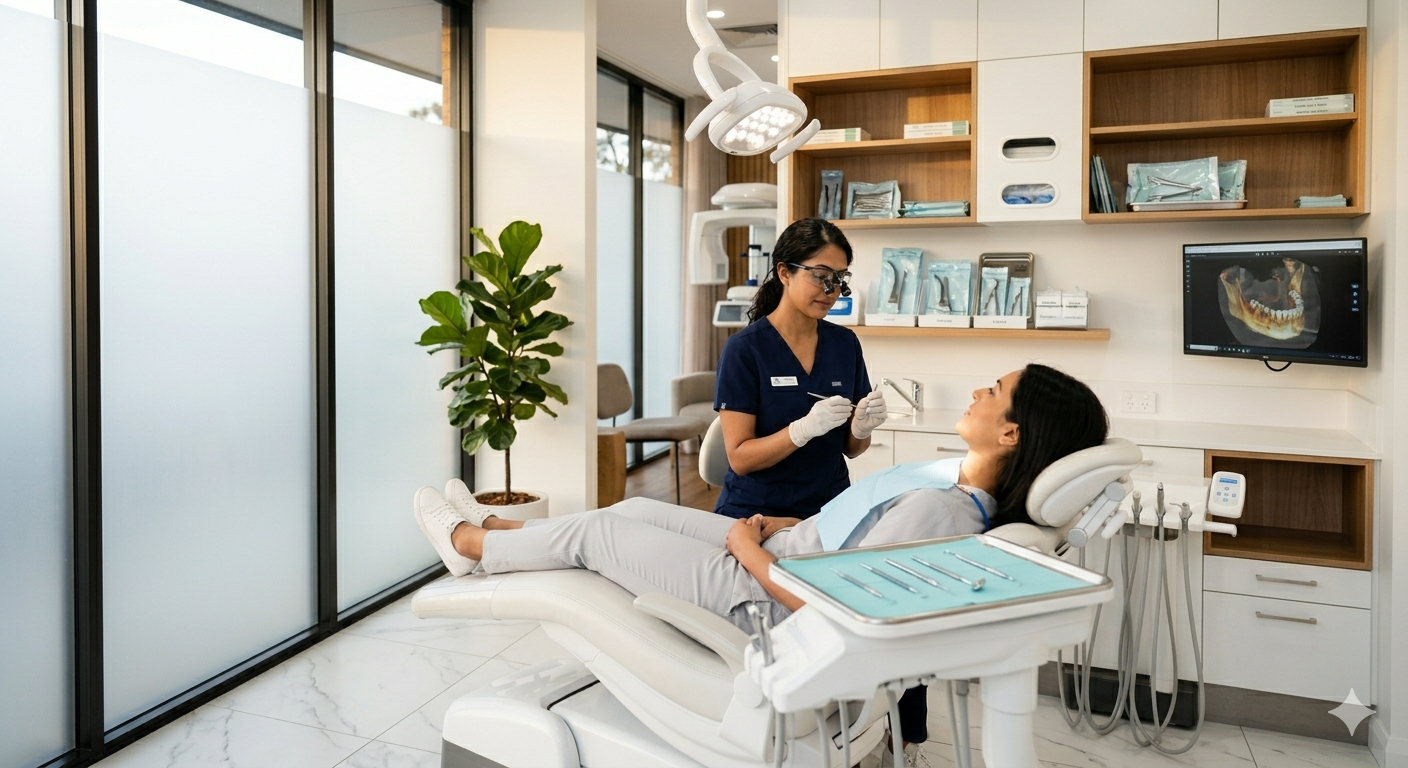
Knowing how to identify a dental emergency helps people act quickly to protect their oral health. Certain signs and symptoms clearly indicate urgent issues, while some specific conditions always require immediate attention. Understanding when to seek care can reduce pain and prevent further damage.
Common Signs and Symptoms
Severe tooth pain is one of the most obvious indicators of a dental emergency. It may be sharp, throbbing, or persistent and often worsens with pressure or exposure to hot and cold.
Swelling around the gums or face can signal an infection that needs urgent treatment. Bleeding that doesn’t stop after 15 minutes, especially following an injury, should never be ignored.
Other signs include a loose or knocked-out tooth, visible cracks or chips, and bad taste or smell that can indicate infection. Difficulty breathing or swallowing alongside dental pain calls for immediate medical help.
Types of Urgent Dental Issues
Common urgent issues include:
- Tooth fractures: Cracks or breaks that expose the inner layers of the tooth cause pain and increase infection risk.
- Knocked-out teeth: Teeth fully displaced from the socket require fast reimplantation, ideally within an hour.
- Severe infections or abscesses: These cause swelling, fever, and intense pain; delay can lead to serious complications.
- Lost dental restorations: A lost crown or filling may expose the tooth to damage or pain.
- Uncontrolled bleeding: Following trauma, continuous bleeding can be dangerous and requires prompt care.
Addressing these conditions quickly improves the chance for healing and reduces the risk of long-term damage.
When to Seek Immediate Care
Immediate care is needed when symptoms or injuries cause severe pain that won’t subside with over-the-counter medication. If a tooth is knocked out or severely fractured, patients should contact an emergency dentist right away.
Swelling that affects breathing or swallowing is a red flag demanding urgent professional evaluation. Bleeding that doesn’t stop after applying pressure for 15 minutes also calls for prompt treatment.
Infections accompanied by fever, pus, or swelling spreading to the face or neck require urgent intervention. When in doubt, seeking emergency care is better than waiting and risking complications.
What To Do During a Dental Emergency
Knowing how to respond quickly can reduce pain and prevent further damage. Immediate actions like stopping bleeding and managing pain are critical. In some cases, preserving a knocked-out tooth can mean the difference between saving it or losing it.
Simple First Aid Steps
The first priority is to stop any bleeding. Have the person bite down gently on a clean cloth or gauze for 10 to 15 minutes. If bleeding continues, replace the cloth and maintain steady pressure.
Rinse the mouth with warm water to clean the area but avoid vigorous rinsing if there’s bleeding. Applying a cold compress to the outside of the cheek can help reduce swelling and numb pain.
If a tooth is broken, save any large pieces if possible. Avoid touching the root area of any displaced or knocked-out teeth to prevent damage.
Pain Management Tips
Over-the-counter pain relievers like ibuprofen can help reduce inflammation and ease discomfort. Avoid aspirin because it can thin the blood and worsen bleeding.
Rinsing the mouth with warm salt water keeps the area clean and can soothe irritated gums. Applying a cold pack on the face near the affected area helps numb pain and control swelling.
Avoid hard, crunchy, or sticky foods until seen by a dentist. Soft foods and plenty of fluids are best to avoid aggravating discomfort.
Preserving Knocked-Out Teeth
If a tooth is completely knocked out, act quickly. Hold the tooth by the crown (the chewing surface), not the root. Gently rinse it under cool water if dirty, but do not scrub or remove any tissue fragments.
Try to place the tooth back into its socket immediately if possible. If not, store it in a container of milk or saline solution. Avoid water, as it can damage the root cells.
Getting to an emergency dentist within one hour increases the chances of saving the tooth. Time matters most, so keep the tooth moist and seek professional care right away.
Treatment Options for Urgent Dental Problems
Emergency dentists in Jeffersonville, IN, offer a variety of treatments tailored to handle common urgent dental issues. From easing sharp tooth pain to fixing damaged teeth and fighting infection, each approach focuses on quick relief and lasting care.
Relief for Toothaches
Toothaches often signal underlying problems such as cavities, irritation, or infection. Dentists first identify the cause through an exam and X-rays. For mild pain, temporary solutions like painkillers and antibiotic rinses may be recommended.
If a cavity or decay is causing the pain, the dentist may remove the decay and place a filling. For more severe cases, a root canal might be necessary to eliminate infection and save the tooth. They also provide advice on reducing pain at home, such as applying cold compresses or avoiding hot and cold foods.
Repairing Broken or Chipped Teeth
Chipped or broken teeth require prompt attention to prevent further damage or infection. The treatment depends on the extent of the break.
Minor chips may be smoothed out or fixed with cosmetic bonding, where tooth-colored resin fills in the missing part. Larger breaks might need a dental crown to restore strength and appearance. If the damage exposes the tooth’s nerve, a root canal may be performed before placing a crown. Emergency dentists prioritize preserving as much natural tooth as possible, ensuring both function and comfort.
Addressing Infections and Abscesses
Dental infections and abscesses are serious issues requiring immediate care. An abscess is a pocket of pus caused by bacterial infection, usually painful and swollen.
Treatment involves draining the abscess and clearing the infection, often with antibiotics. A root canal or tooth extraction may follow depending on the infection’s severity. Dentists also emphasize the importance of follow-up care to prevent recurring infections and protect overall oral health. Ignoring an abscess can lead to severe complications, so timely intervention is critical.
Modern Dental Technology and Comfort
Emergency dental care in Jeffersonville, IN, uses the latest tools and techniques to provide fast, accurate treatment with minimal discomfort. Patient comfort is a top priority, with options tailored to ease anxiety and improve the overall experience.
Advancements in Emergency Care
Emergency dentists now use digital X-rays, which deliver images almost instantly and expose patients to much less radiation than traditional films. This technology helps diagnose issues like cracked teeth or infections quickly.
Laser dentistry also plays a role in emergency treatment. It allows for precise cutting and reduces bleeding and swelling, speeding up healing times. For root canals or extractions, dentists employ rotary instruments that work more efficiently and with less noise, which many patients find less intimidating.
Same-day crowns created with CAD/CAM technology mean patients often leave with a permanent restoration immediately after treatment, avoiding additional appointments.
Comfort Measures for Anxious Patients
Many emergency dentists in Jeffersonville understand how stressful a dental emergency can be. They offer several comfort options to help patients relax.
Nitrous oxide, or laughing gas, is frequently used to calm nerves without putting patients to sleep. For severe anxiety, oral sedatives may be prescribed in advance to soften the experience.
The offices are designed with comfort features like cushioned chairs, soft lighting, and distractions like TVs or music. Staff are trained to be gentle and communicative, explaining each step to reduce fear.
These measures ensure patients receive necessary treatment in a way that respects their comfort and peace of mind.
How to Choose the Right Dental Office
Finding an emergency dentist means looking for a place that balances skill, reliability, and a calming atmosphere. It’s about knowing what makes a dental office dependable and understanding what will happen when you arrive with an urgent problem.
Qualities of a Trustworthy Practice
A reliable emergency dentist in Jeffersonville, IN, is one who offers clear communication and quick access. Look for offices that list emergency hours prominently and have a staff ready to answer calls anytime. Positive patient reviews often highlight these traits.
The dentist should have proper credentials and ongoing training in emergency dental care. A clean, organized clinic with modern equipment signals attention to patient safety and comfort. Friendly staff who listen and explain treatment options make stressful visits easier.
Transparency about costs and insurance also matters. Trustworthy practices provide upfront estimates without surprise fees. This reduces anxiety when treatment decisions must happen fast.
What to Expect at Your Emergency Appointment
When arriving for emergency care, the team will prioritize your pain and stabilize the problem. The dentist quickly evaluates the issue with exams and X-rays if needed. You can expect clear explanations about what caused the pain and which treatments are possible.
Depending on the injury or issue, immediate relief might involve cleaning an infection, temporarily fixing a broken tooth, or prescribing medication. The dentist will then discuss follow-up care or refer you for specialized treatment if necessary.
Comfort measures, like gentle anesthesia or sedation options, help keep patients calm. The goal is to fix the urgent issue efficiently while planning for long-term dental health.
Preventing Future Dental Emergencies
Taking active steps to protect teeth daily and maintaining regular dental checkups can greatly reduce the risk of emergencies. Strong teeth and gums start with good habits and consistent professional care.
Everyday Habits for Stronger Teeth
Daily care plays a big role in preventing dental emergencies. Brushing twice a day with fluoride toothpaste helps remove plaque, which causes decay and gum disease. Flossing once a day reaches spots a toothbrush can’t, protecting against cavities between teeth.
Avoiding hard or sticky foods lowers the chance of cracked or broken teeth. Drinking water after meals helps wash away sugars and acids that wear down enamel. Using a mouthguard during sports or grinding can also protect teeth from damage.
Simple actions like quitting smoking and limiting sugary snacks improve overall oral health, making teeth less likely to suffer sudden problems.
The Role of Routine Dental Visits
Regular dental visits catch issues before they become emergencies. Dentists perform exams and cleanings to identify early signs of decay or infection. Professional cleanings remove hardened plaque that brushing can’t eliminate, preventing gum disease.
X-rays during visits reveal hidden problems like decay under fillings or bone loss. Early treatment lowers the risk of sudden pain or needing urgent procedures.
Scheduling checkups every six months is ideal, but some patients may need visits more often based on their oral health. Staying up to date with appointments helps keep teeth strong, avoiding unexpected dental emergencies.
Support and Resources for Patients
When a dental emergency happens, having access to the right support can make a big difference. Emergency dentists in Jeffersonville, IN, often offer 24/7 availability or extended hours to help patients when regular offices are closed.
Many clinics provide guidance over the phone to help patients manage pain or stabilize an injury before reaching the office. This support ensures that patients feel safer and more prepared during stressful moments.
Patients can also expect clear communication about costs, treatment options, and insurance. This transparency helps reduce worries and allows better decision-making.
For ongoing care, dentists may offer preventive advice, explaining simple steps to avoid future emergencies, like wearing mouthguards or regular checkups. Educational pamphlets and online resources are commonly provided to keep patients informed.
Below is a quick list of typical patient resources you might find:
- Emergency phone triage
- Pain management tips
- Insurance and payment plans
- Preventive care guidance
- Follow-up appointment scheduling
This kind of support ensures patients are not alone during urgent dental issues. It encourages them to reach out quickly, knowing expert help is ready to guide them every step.
Frequently Asked Questions
Emergency dental situations can feel overwhelming, but knowing what steps to take can make a big difference. Quick action and understanding when to seek care help protect your smile and avoid complications.
Will the ER treat a toothache, or do I still need to see a dentist?
The emergency room can offer pain relief and treat infections, but it usually won’t fix the underlying dental problem. A dentist is needed for proper diagnosis and long-term treatment.
What should I do if I have a dental emergency and I don’t have a regular dentist yet?
It’s important to find an emergency dentist quickly. Many dental offices accept new patients for urgent care and can provide the necessary treatment to address pain or injury.
What can I do at home to manage tooth pain until I’m seen?
Over-the-counter pain relievers like ibuprofen can help reduce pain and inflammation. Applying a cold compress outside the cheek may also ease discomfort and swelling.
How do I handle a dental emergency in the middle of the night or on the weekend?
Look for an emergency dentist who offers after-hours or weekend appointments. Many dental offices have on-call services for urgent situations outside normal business hours.
What should I do if I chip, crack, or knock out a tooth?
Save any broken tooth pieces and rinse your mouth gently with warm water. If a tooth is knocked out, keep it moist by placing it in milk or saliva and seek emergency dental care right away.
How quickly should I be seen for a swelling, abscess, or signs of infection?
Swelling and signs of infection require prompt attention—ideally within 24 hours. These symptoms can worsen quickly and may spread, so don’t delay seeking treatment.