 (502) 938-9056



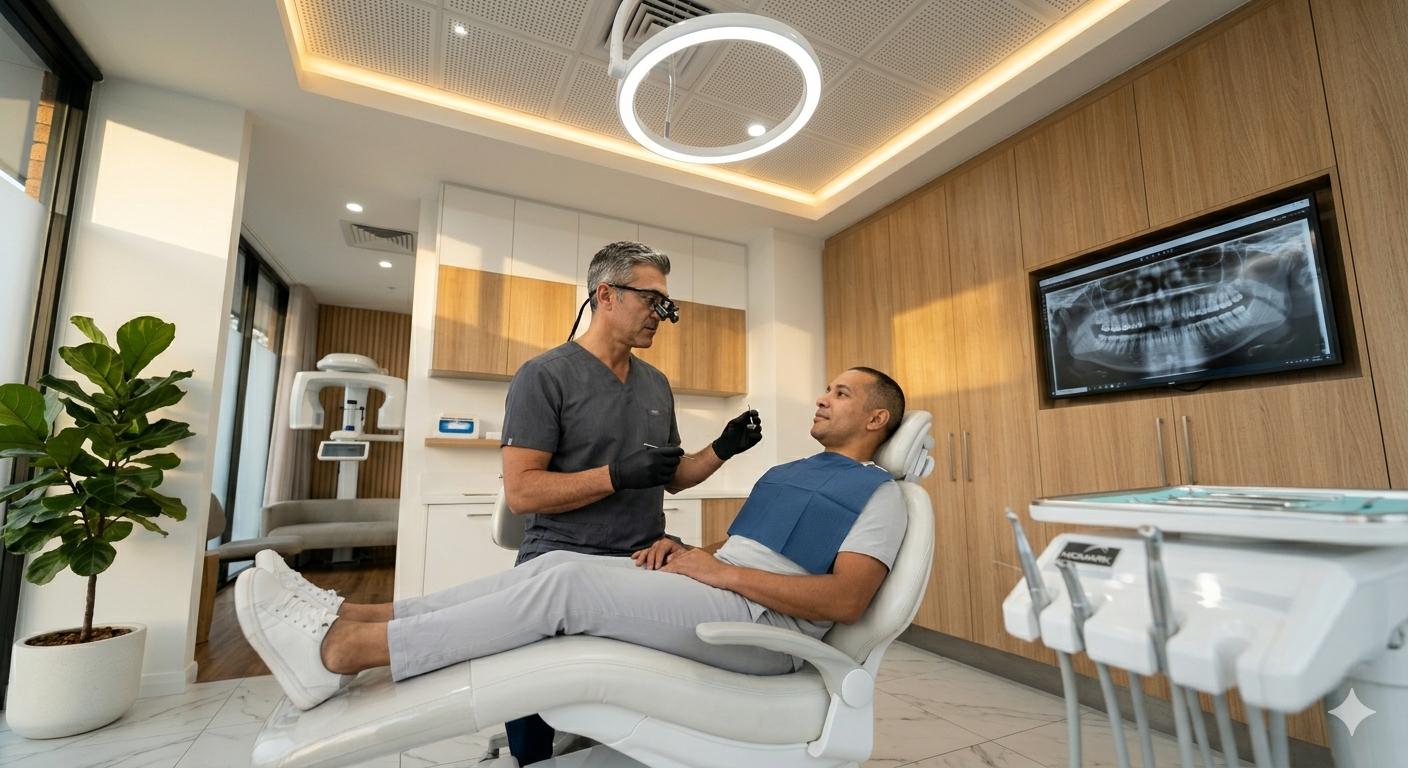
You’ll find practical, comfortable general dentistry in Jeffersonville that keeps your whole-mouth health front and center. Local clinics offer routine exams, cleanings, fillings, and preventive guidance so you can avoid small problems becoming bigger ones.
Expect personalized care that blends gentle chairside comfort with modern techniques to restore and protect your smile. The article explains what general dentistry involves, how treatments fit different ages and needs, and what to expect during visits so you can feel confident about scheduling care.
They focus on preventive strategies, clear communication, and community-minded service, making it easy to find a dentist who treats you like a neighbor and a partner in long-term oral health.
What General Dentistry Involves
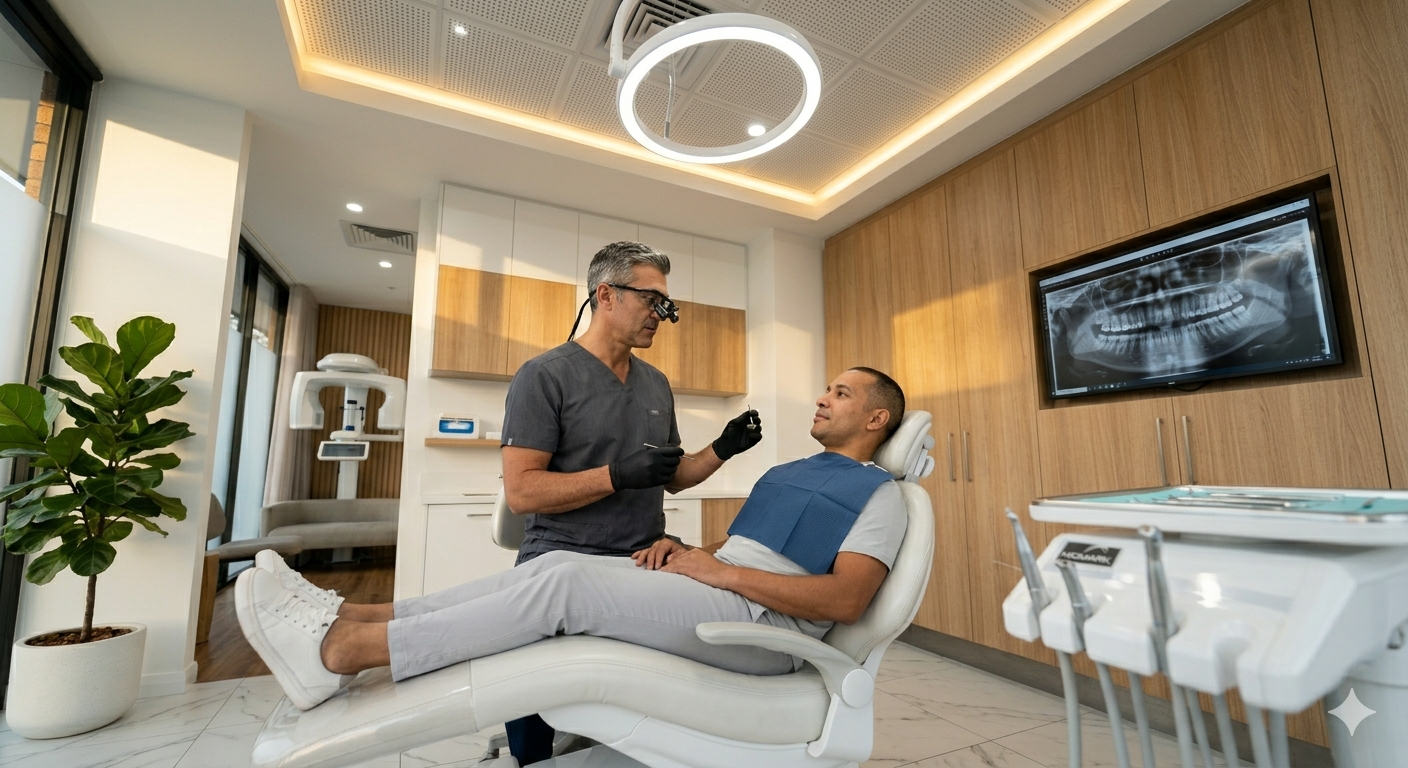
General dentistry focuses on routine care, prevention, and early detection to keep teeth and gums healthy. Services range from cleanings and exams to X-rays and patient education, all aimed at preventing pain and costly treatments.
Routine Dental Exams and Cleanings
Patients receive a thorough oral exam every six months unless the dentist recommends a different schedule. The dentist or hygienist inspects teeth, gums, tongue, and soft tissues for decay, gum disease, oral cancer signs, and bite issues.
Cleanings remove plaque and tartar above and below the gumline using ultrasonic and hand instruments. The hygienist polishes teeth and applies fluoride when appropriate to strengthen enamel. Dentists document findings, update charts, and recommend follow-up care such as fillings, deeper cleanings, or referrals.
Routine visits also include patient-specific advice on brushing technique, flossing, interdental tools, and dietary adjustments. For anxious patients, offices often offer sedation options or calming amenities to improve comfort during exams and cleanings.
Preventive Approaches to Oral Health
Preventive dentistry reduces the chance of cavities, gum disease, and tooth loss through targeted measures. Fluoride treatments and dental sealants protect enamel and deep grooves on molars, especially in children and adults prone to decay.
Behavioral counseling addresses sugar intake, tobacco cessation, and consistent oral hygiene habits. Custom mouthguards protect teeth during sports and from nighttime grinding (bruxism). Dentists may recommend topical treatments or prescribe at-home rinses for patients with dry mouth or high decay risk.
Scheduling regular checkups and timely restorative care—like small fillings before a cavity worsens—keeps treatment minimal and costs lower. Practices tailor prevention plans to each patient’s medical history, medications, and lifestyle, making them practical and sustainable.
Diagnostic Services Explained
Dentists use diagnostic tools to find problems early and plan precise treatment. Digital X-rays reveal decay between teeth and bone loss; they use less radiation than traditional film and provide immediate images for patient review.
Intraoral cameras and chairside photos help patients see issues like cracks, worn fillings, or gum recession. Periodontal charting measures pocket depths around teeth to track gum disease progression and guide treatment decisions.
When needed, 3D cone-beam CT scans evaluate complex cases such as implant placement or impacted teeth. Lab tests and microbiology swabs can identify infections or oral pathogens. Clear diagnostics enable conservative, evidence-based care and help patients make informed choices about treatment.
Personalized Care For Every Smile
Patients receive individualized attention that balances preventive care, restorative options, and comfort measures. Treatment choices reflect each person’s dental history, health goals, and lifestyle.
Custom Treatment Plans
The dentist reviews medical records, dental x-rays, and intraoral photos to build a step-by-step plan tailored to the patient. Plans list recommended procedures, estimated timelines, and cost options so patients understand sequence and priorities.
They discuss conservative choices first—such as fluoride therapy, sealants, or minimally invasive fillings—before advancing to crowns, bridges, or implants when necessary. The team schedules visits to optimize healing and convenience, consolidating work when possible to reduce chair time.
Insurance coordination and flexible payment options appear in the plan. Clear pre- and post-care instructions accompany each procedure, plus expected outcomes and signs that require follow-up.
Addressing Unique Patient Needs
The practice screens for dental anxiety, physical limitations, and medical conditions that affect oral care. For anxious patients, techniques include pre-visit planning, nitrous oxide, and breaks during treatment to improve comfort.
They adapt appointments for mobility issues, offering ground-level access and extended chair time when needed. For patients with diabetes, heart conditions, or pregnancy, the dentist adjusts treatment sequencing and antibiotic or medication considerations in consultation with the patient’s physician.
Language preferences, cultural concerns, and scheduling constraints also shape care. Staff provide clear instructions, reminders, and educational materials tailored to literacy and learning styles to help patients maintain progress between visits.
Modern Dental Techniques And Comfort
Modern care focuses on painless procedures, faster recovery, and clear communication about options. Patients can expect gentle numbing, precise digital diagnostics, and office comforts that reduce anxiety.
Gentle Approaches to Dentistry
Clinics in Jeffersonville use targeted local anesthetics and computer-controlled delivery systems to minimize injection discomfort. These devices regulate flow and pressure so patients often feel only a light pressure instead of a sharp sting.
For restorative work, dentists prefer adhesive, tooth-conserving techniques like composite fillings and onlays instead of full crowns when possible. That preserves more natural enamel and reduces the chance of sensitivity after treatment.
Minimally invasive cavity detection with laser or fiber-optic transillumination finds decay earlier, so treatment can be smaller and quicker. When extractions are necessary, atraumatic techniques and bone-preserving tools speed healing and reduce postoperative pain.
Advanced Technology in Daily Care
Digital X-rays cut radiation exposure by up to 80% and produce instant images for faster diagnosis. Intraoral cameras show patients real-time photos of problem areas, making explanations clearer and treatment choices easier to understand.
CAD/CAM milling in-office lets dentists create same-day crowns and onlays, eliminating temporary restorations and a second appointment. Cone-beam CT scans provide three-dimensional views for implant planning and complex cases, improving accuracy and outcomes.
Electronic charting and appointment reminders streamline follow-up care and preventive scheduling. Many practices also integrate digital shade-matching and 3D printing for consistent cosmetic results and faster turnaround.
Creating a Stress-Free Experience
Dental teams train in patient-centered communication and sedation options to reduce anxiety. Nitrous oxide, oral sedatives, and IV sedation are available based on the procedure and medical history, with clear consent and monitoring protocols.
Office design and amenities further calm patients: noise-cancelling headphones, adjustable lighting, blankets, and private treatment rooms make visits more comfortable. Staff offer step-by-step explanations and breathable breaks during longer procedures to keep patients informed and in control.
Practices also prioritize post-treatment support with clear home-care instructions, follow-up calls, and easy access to emergency advice. That combination of humane care and practical tools helps patients feel safe and supported through every stage of treatment.
Restorative Treatments And Cavity Solutions
This section explains practical options for repairing decay and damaged teeth, focusing on materials, durability, and what patients can expect during treatment. It highlights choices that preserve tooth structure, restore chewing ability, and match natural teeth.
Tooth-Colored Fillings
Tooth-colored fillings use composite resin that bonds directly to enamel and dentin. The dentist removes decay, shapes the cavity, and layers the resin, curing each layer with a light to build strength and contour.
Patients benefit from a natural appearance and conservation of healthy tooth structure. Composite resins generally last 5–10 years with good hygiene, though lifespan varies with bite forces and location in the mouth. These fillings also reduce sensitivity compared with some older materials because they bond to the tooth and can seal microscopic gaps.
Procedure time usually ranges from 20 to 60 minutes per tooth depending on size. Local anesthetic controls discomfort; most people report minimal postoperative sensitivity that fades in days. For large cavities, the clinician may recommend an onlay or crown instead of a filling to prevent fracture.
Crowns and Bridges: Restoring Functionality
Crowns fully cover a weakened or extensively restored tooth to restore shape, strength, and appearance. Dentists prepare the tooth, take a digital or physical impression, and place a temporary crown while the lab fabricates a final ceramic, zirconia, or porcelain-fused-to-metal restoration.
Bridges replace one or more missing teeth by anchoring to adjacent crowned teeth or implants. A fixed bridge restores chewing, prevents shifting, and improves speech. Implant-supported crowns or bridges offer higher longevity and preserve bone compared with traditional bridges.
Expect two to three visits for crown and bridge work when using a lab; same-day CAD/CAM milling is often available for single crowns. Care includes regular flossing under the pontic area, avoiding hard foods that could damage the restoration, and routine dental checkups to monitor fit and surrounding teeth.
Preventing Dental Problems Before They Start
Preventive care focuses on daily habits and simple in-office treatments that stop decay and gum disease early. Small, consistent actions at home plus targeted professional care produce the biggest long-term benefits for oral health.
Education for At-Home Care
A dental team teaches patients specific brushing and flossing techniques tailored to their mouth. For example, clinicians show the Bass or modified Bass method for gumline cleaning, recommend a soft-bristled brush, and suggest 2 minutes twice daily with a fluoride toothpaste.
They also assess risk factors such as diet, dry mouth, and medication side effects. For someone who snacks frequently, the hygienist will advise on low-sugar choices and timing of meals to reduce acid exposure. People with dry mouth receive guidance on saliva-stimulating strategies and appropriate products.
Practical tools come with instruction: interdental brushes for wide spaces, floss picks for tight fingers, and electric toothbrushes for those with limited dexterity. Patients get written care plans and goal-based check-ins at recall visits to track progress and adjust techniques.
Sealants and Fluoride Treatments
Sealants are thin resin coatings applied to the chewing surfaces of molars to block grooves where food and bacteria collect. The procedure is quick, painless, and typically lasts several years; clinicians inspect and reapply them as needed during routine checkups.
Topical fluoride treatments strengthen enamel and reduce decay risk by remineralizing early lesions. Dentists use high-concentration varnish or gel in-office for 3–4 minutes and may recommend daily fluoride rinses or prescription-strength toothpaste for high-risk patients.
Care plans match treatments to risk: children with deep pits often receive both sealants and in-office fluoride, while adults with multiple restorations might get periodic fluoride varnish plus a prescription paste. The team documents applications and monitors effectiveness at each hygiene visit.
Dental Care For All Ages
This practice focuses on prevention, comfort, and personalized care for children, adults, and seniors. Appointments emphasize clear explanations, gentle techniques, and treatment plans tailored to each stage of life.
Pediatric Visits Made Easy
They start pediatric care with a calm, child-friendly welcome to reduce anxiety and build trust. The first visit includes a gentle exam, age-appropriate cleaning, fluoride application when indicated, and a brief discussion with the caregiver about brushing, diet, and pacifier or thumb habits.
Preventive services target cavity risk and development: dental sealants for molars, topical fluoride for enamel strengthening, and growth monitoring to detect early bite issues. The office uses visual aids and positive reinforcement; staff explain steps to the child and demonstrate brushing on a model.
When treatment is necessary, local anesthetic, behavior guidance, and, if needed, nitrous oxide are offered. They coordinate with pediatric specialists for complex orthodontic or surgical needs and provide clear follow-up instructions to caregivers to maintain progress at home.
Adult and Senior Dental Wellness
Adults receive comprehensive exams that include periodontal screening, oral cancer checks, digital X-rays, and personalized hygiene plans. The team discusses cosmetic options like tooth-colored fillings and veneers alongside functional treatments such as crowns, root canals, and occlusal guards for bruxism.
For seniors, attention centers on gum health, tooth wear, dry mouth (often medication-related), and denture fit. The practice offers periodontal therapy, prosthetic adjustments, implant consultations, and strategies to manage xerostomia, including saliva substitutes and tailored home-care routines.
They emphasize prevention: routine cleanings, targeted periodontal maintenance, and dietary counseling to protect remaining teeth. When medical conditions complicate care, the team coordinates with physicians to ensure safe, effective dental treatment.
The Role Of Professional Cleanings
Professional cleanings remove hardened deposits, reduce bacteria, and help detect early signs of gum disease or tooth decay. They protect restorations like crowns and implants and directly support long-term oral health.
Plaque and Tartar Removal
Hygienists use ultrasonic scalers and hand instruments to remove plaque and tartar from tooth surfaces and below the gumline. Ultrasonic scalers vibrate to break up mineralized tartar while flushing the area with water; hand scaling refines root surfaces where the ultrasonic tip can’t reach.
Removing these deposits matters because tartar harbors bacteria that cause inflammation and enamel breakdown. Left untreated, bacteria can progress to gingivitis and periodontitis, increasing the risk of tooth mobility and loss.
After scaling, hygienists polish teeth to remove surface stains and smooth rough areas that attract plaque. They may apply fluoride varnish or recommend targeted home care products when risk factors—like smoking, dry mouth, or diabetes—raise the chance of recurrence.
Benefits Beyond Aesthetic Appeal
Professional cleanings do more than brighten smiles; they reduce systemic inflammation linked to cardiovascular disease and diabetes complications. Studies show periodontal inflammation raises markers like C-reactive protein, so controlling oral infection can lower overall inflammatory burden.
Regular cleanings also allow the dental team to spot early decay, cracked teeth, oral cancer signs, and failing restorations. Early detection often means simpler, less costly treatment—such as a filling instead of a root canal.
Appointments offer tailored prevention: personalized brushing and flossing techniques, recommendations for interdental tools, and adjustments to recall intervals based on individual risk. Patients with implants or orthodontic appliances receive specific cleaning strategies to protect those investments.
Patient Experience In Jeffersonville
Patients find clear, friendly care that emphasizes comfort, straightforward pricing, and practical preventive steps. Staff explain treatment options, scheduling, and insurance details up front so patients can make informed decisions quickly.
Welcoming New Patients
Reception staff greet patients by name and confirm insurance and contact details on arrival. They offer digital forms to complete beforehand and provide paper copies for anyone who prefers them.
Clinical staff review medical history and any current medications during the initial intake. The dental assistant shows the operatory, explains chair controls and comfort options (blankets, headphones), and outlines the estimated time for the visit.
The practice shares a transparent fee estimate before any non-emergency work begins. They explain payment plans, in-house financing, and accepted insurance plans, plus options for patients without coverage.
New-patient appointments often include a focused exam, bitewing X‑rays if needed, and a dental cleaning plan. Staff invite questions and confirm the patient’s preferred communication method for follow-ups and reminders.
What to Expect on Your First Visit
The first visit starts with a brief health screening to identify concerns like heart conditions, diabetes, or pregnancy that affect dental care. The hygienist performs periodontal probing and records gum health measurements.
Digital X‑rays or intraoral photos are taken when indicated to support diagnosis. The dentist reviews images with the patient, points out findings, and explains why each image matters for planning treatment.
Patients receive a personalized treatment plan that prioritizes urgent needs, preventive care, and aesthetic goals. The dentist outlines options—fillings, crowns, fluoride treatments—with pros, cons, timelines, and estimated costs.
Before leaving, patients get a written copy of the plan, next-appointment options, and practical home-care tips tailored to their oral health. Staff confirm contact details and preferred reminders so follow-up care stays on track.
Community Impact And Local Involvement
The Jeffersonville dental practice partners with local schools to provide preventive screenings and sealant programs for children. These efforts reduce cavities and teach simple at-home care that families can use immediately.
They sponsor community health fairs and offer low-cost cleaning days for uninsured residents. This helps neighbors access basic care without financial stress.
Staff volunteers regularly at food banks and senior centers, offering oral-health education tailored to each group. The team explains how medications, diet, and daily routines affect dental health in plain language.
The practice supports local charities through fundraising and in-kind donations, such as toothbrushes and fluoride kits. Small, consistent contributions help sustain broader public-health efforts.
They host free workshops on topics like proper brushing, gum disease prevention, and choosing a toothbrush. These short, practical sessions give people tools to prevent problems before they start.
Bold steps include offering flexible scheduling and trauma-care referrals for urgent dental needs. Patients can contact the office to discuss financial assistance options or to schedule a consult.
Taking The Next Step Toward Your Healthiest Smile
Patients often feel unsure about when to schedule care or which treatments fit their needs. A short consultation can clarify priorities and create a personalized plan that balances comfort, budget, and long-term health.
They benefit from preventive visits every six months, but individualized schedules may vary. Modern dentistry offers gentle, efficient options — from routine cleanings and digital X‑rays to tooth‑colored fillings and cosmetic touchups.
The office makes comfort a priority with clear explanations, relaxed pacing, and options like local anesthesia or nitrous oxide when needed. Staff take time to answer questions and walk patients through each step so decisions feel informed and manageable.
Consider these simple next steps:
- Call the office to request availability and new-patient instructions.
- Bring a list of current medications and any recent dental concerns.
- Ask about financing, insurance, and whether they offer same‑day restorative options.
Bold, easy-to-read patient forms and digital records speed check-in and reduce wait times. They also allow the team to review your history before treatment, which improves outcomes and safety.
If a patient wants a brighter smile or needs restorative work, the team explains predictable timelines and alternatives. They invite questions and encourage scheduling a consultation to review options and set practical goals.
Frequently Asked Questions
This section answers specific practical concerns about appointment timing, first visits, X-rays, cavity care, anxiety management, and children’s dental starts. It gives clear, actionable steps patients can use when choosing care in Jeffersonville, IN.
How often should I schedule a dental checkup and professional cleaning?
Most adults should schedule a checkup and cleaning every six months to control plaque, catch early decay, and monitor gum health.
Patients with gum disease, heavy plaque, or medical conditions may need visits every three to four months; the dentist will recommend a personalized interval.
What should I expect during my first visit to a new dental office?
The first visit typically includes medical and dental history, a cleaning if time allows, a clinical exam, and any needed X-rays.
The team will review current concerns, medication lists, and insurance, then explain a treatment plan and costs before beginning care.
Do dental X-rays hurt, and how often are they really needed?
Dental X-rays are painless and quick; modern sensors cut exposure to a fraction of older systems.
Frequency depends on oral health: routine bitewings every 12–24 months for most adults, more often for high-risk patients, and panoramic or CBCT only when diagnostic detail is required.
What are the best options for treating a cavity—do I always need a filling?
Small cavities usually require a filling with composite (tooth‑colored) material to stop decay and restore function.
Very early decay can sometimes be arrested with fluoride and improved hygiene, while large or deep lesions may need root canal therapy or extraction; the dentist will assess and discuss alternatives and costs.
How can I reduce dental anxiety and stay comfortable during treatment?
Patients often find relief with clear explanations, relaxation breathing, and breaks on request; many Jeffersonville practices offer nitrous oxide (laughing gas) for mild to moderate anxiety.
For stronger anxiety, oral sedatives or IV sedation are options; the dentist reviews medical history and monitors vital signs to keep sedation safe.
When should I see a dentist for a child’s first visit, and what happens at that appointment?
A child should see a dentist by their first birthday or within six months after the first tooth appears to establish a dental home and catch early problems.
The initial visit includes a gentle exam, cleaning if needed, fluoride application, and guidance on feeding, brushing, and preventing cavities; the team also discusses a schedule for future visits.